
Breaking! CS Duale Sets Ultimatum To All 360,000 Teachers In Relation To SHA Renewal And Deadline
Duale Sets Ultimatum To All 360,000 Teachers In Relation To SHA Renewal And Deadline .
A heated debate has erupted in Kenya’s education sector after Majority Leader Aden Duale confronted the Teachers Service Commission (TSC) over the exclusion of 360,000 teachers from the SHA medical scheme. This controversial move has left hundreds of thousands of educators without comprehensive health coverage, sparking outrage among teachers’ unions and political leaders alike.
Understanding the SHA-TSC Standoff: What’s at Stake?
The Social Health Authority (SHA) was established to replace the National Health Insurance Fund (NHIF) as Kenya transitions to universal healthcare under the Universal Health Coverage (UHC) program. However, the ongoing dispute centers on why:
– Only 110,000 teachers were successfully registered under SHA
– A staggering 360,000 educators remain without coverage
– TSC and SHA continue trading blame over the botched enrollment
Key Questions Teachers Are Asking
1. Why were three-quarters of teachers left out of the medical scheme?
2. Who bears responsibility for the failed registration process?
3. What immediate solutions exist for affected teachers?
4. How will this impact classroom operations nationwide?
Breaking Down the Enrollment Crisis: Where Did Things Go Wrong?
Multiple systemic failures contributed to the current predicament:
1. Faulty Data Transmission Between TSC and SHA
– TSC claims it submitted complete teacher records to SHA
– SHA alleges critical biodata was missing or inaccurate
– Technical glitches prevented proper verification of documents
2. Tight Registration Deadlines
– Teachers given limited window to submit required documents
– Many in remote schools couldn’t access registration portals in time
– No proper extension granted despite evident challenges
3. Lack of Clear Communication
– Conflicting messages about registration requirements
– Inadequate guidance on document submission procedures
– Failure to notify teachers about missing information
The Human Impact: How This Affects Kenya’s Educators
Beyond bureaucratic finger-pointing, real consequences are emerging:
Financial Strain on Teachers
– Many forced to seek private insurance at higher costs
– Some resorting to out-of-pocket medical payments
– Delayed salary deductions without corresponding benefits
Classroom Disruptions
– Increased teacher absenteeism for medical reasons
– Growing frustration affecting school morale
– Potential long-term impact on education quality
Read Also:Act Now ! MPs Orders CUE To Shut Down The Following Rogue Universities And Stop Fake Degrees
Mental Health Toll
– Anxiety over lack of health security
– Stress from navigating broken systems
– Feeling of institutional abandonment
Stakeholder Reactions: Who’s Saying What?
Government Officials Speak Out
Majority Leader Aden Duale:
“It’s unacceptable that those shaping our children’s future can’t access basic healthcare. TSC must explain this failure immediately.”
Education CS Ogamba:
“We’re working with all parties to resolve this within 30 days. No teacher should be left behind in healthcare access.”
Teachers’ Unions Respond
KNUT Secretary-General Collins Oyuu:
“This is betrayal of the highest order. We demand immediate rectification and compensation for affected members.”
KUPPET Chairman Omboko Milemba:
“Teachers aren’t statistics – they’re human beings deserving dignity. SHA and TSC must stop passing blame and fix this.”
TSC’s Official Position
TSC CEO Dr. Nancy Macharia:
“We fulfilled our part in the process. The breakdown occurred at SHA’s verification stage. We’re committed to resolving this.”
Possible Solutions to the Healthcare Crisis
Several pathways could resolve the standoff:
Immediate Measures
1. Emergency Registration Extension
– Reopen portal with simplified requirements
– Deploy mobile registration teams to remote areas
2. Temporary Coverage Bridge
– Reactivate NHIF for affected teachers
– Provide emergency medical vouchers
3. Clear Communication Channels
– Establish dedicated help desks
– Roll out nationwide awareness campaigns
Long-Term Reforms
1. Integrated HR Systems
– Synchronize TSC and SHA databases
– Implement real-time data verification
2. Policy Safeguards
– Legal protections against coverage gaps
– Automatic enrollment mechanisms
3. Stakeholder Engagement Framework
– Regular TSC-SHA-Union consultations
– Transparent progress reporting
Comparative Analysis: How Other Sectors Fared
The teacher healthcare crisis contrasts sharply with other public sector transitions:
Civil Servants
– 92% successfully migrated to SHA
– Dedicated transition task force established
– Minimal service disruptions reported
National Police
– Phased rollout completed ahead of schedule
– Comprehensive retraining programs conducted
– 100% coverage achieved
This disparity raises questions about why teacher enrollment faced unique challenges.
Expert Opinions: What Analysts Are Saying
Education Policy Specialist Dr. Wanjiku Mwangi:
“This exposes systemic weaknesses in how we treat educators. Teacher welfare directly impacts national development goals.”
Healthcare Economist Prof. James Mwangi:
“The SHA transition needed more pilot testing. Rushed implementations often create avoidable crises like this.”
What Affected Teachers Can Do Now
While awaiting permanent solutions, educators can:
1. Verify Their Status
– Check SHA portal using TSC number
– Confirm with school administrators
2. Document All Expenses
– Keep medical bills for possible reimbursement
– Maintain communication records with officials
3. Union Engagement
– Report cases through KNUT/KUPPET channels
– Participate in collective action if needed
4. Alternative Arrangements
– Explore private insurance options
– Utilize county health facilities where available
Historical Context: Previous Teacher Healthcare Battles
This isn’t the first healthcare crisis facing educators:
2017 NHIF Contribution Dispute
– Illegal deductions from teacher salaries
– Eventual refunds after prolonged court battle
2021 Minet Insurance Controversy
– Coverage limitations exposed
– Eventually led to current SHA transition
2023 Delayed Card Distribution
– Thousands couldn’t access services
– Took 6 months to fully resolve
The Road Ahead: Critical Next Steps
Resolving this crisis requires:
1. Urgent High-Level Intervention
– President Ruto should convene emergency meeting
– Parliament must exercise oversight
2. Transparent Audit
– Independent verification of what failed
– Clear assignment of responsibility
3. Compensation Framework
– Refund of unjustified deductions
– Coverage for incurred medical expenses
4. System Safeguards
– Prevent recurrence in future transitions
– Establish teacher welfare protection mechanisms
Conclusion: A Test of Kenya’s Commitment to Educators
The SHA-TSC standoff represents more than an administrative hiccup – it’s a litmus test for how Kenya values its teachers. As the backbone of the education system, teachers deserve functional healthcare coverage without bureaucratic hurdles.
The coming weeks will reveal whether stakeholders can move beyond blame games to deliver tangible solutions. One thing remains clear: Kenya’s education quality depends directly on teacher welfare, making this a national priority that demands immediate, decisive action.
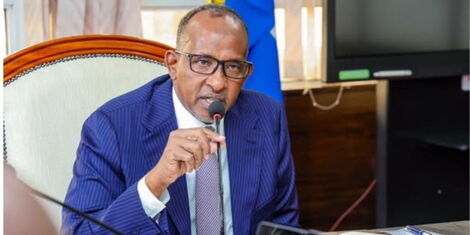
Duale Sets Ultimatum To All 360,000 Teachers In Relation To SHA Renewal And Deadline .
Related Posts
-
 Shock For Newly Promoted Teachers As TSC Drops Unexpected Fresh Directive—What Does This Mean For Teachers
-
 Breaking News: TSC Confirms Exact Recruitment Dates For 16,000 Junior Secondary School (JSS) Teachers In 2026 – Full Details Inside
-
 TSC Releases List Of Teacher Categories To Be Prioritized In Upcoming Recruitment
-
 TSC Under Fire Over Punitive Career Progression Guidelines (CPG): Why Kenyan Teachers Are Protesting, The Hidden Flaws, And The Urgent Calls For Reforms
About The Author
