
Govt Reinstates Compulsory Mathematics For Senior School Students: A Game-Changing Education Policy Reversal And What It Means For The Future
Govt U-Turn . MoE Now Says That Math Will Be Compulsory For All Senior School Students .
In a surprising turn of events, Kenya’s Ministry of Education has announced a complete reversal of its earlier decision, declaring Mathematics as a compulsory subject for all senior secondary school students. This dramatic policy shift comes just months after the controversial move to make Mathematics optional under the new curriculum framework, sparking heated debates among educators, parents, and policymakers.
The reinstatement of compulsory Mathematics represents a significant milestone in Kenya’s education reform journey and raises critical questions about:
– The rationale behind this sudden policy reversal
– The implications for students and teachers
– How this aligns with global education trends
– What it means for the Competency-Based Curriculum (CBC) implementation
Understanding the Policy Reversal Timeline
Initial Decision (2023)
– Mathematics designated as optional in senior school
– Part of CBC’s focus on student choice and talent development
– Intended to reduce academic pressure on non-STEM students
The Turning Point (Early 2024)
– Growing concerns from industry leaders
– Pressure from university admission boards
– Emerging data on declining numeracy skills
Final Reversal (June 2024)
– Official announcement by Education CS Ezekiel Machogu
– Immediate effect for current senior school students
– Full implementation from 2025 academic year
Why the Government Changed Course: The Compelling Reasons
The Ministry of Education cited several critical factors that necessitated this policy U-turn:
1. Workforce Demands
– 87% of modern jobs require basic mathematical competency
– Kenya’s Vision 2030 goals need strong STEM foundations
– Digital economy demands universal numeracy skills
Read Also:Breakdown Of KUPPET’s CBA 2025-2029: C3 Teachers To Receive Ksh109,000 Annual Leave Allowance
2. International Benchmarks
– Comparison with top-performing education systems
– OECD recommendations on core competencies
– Global trend toward mathematical literacy
3. Academic Continuity
– Smooth transition to university STEM programs
– Maintaining Kenya’s strong mathematics tradition
– Preventing knowledge gaps in related subjects
4. Parental and Educator Concerns
– Overwhelming feedback from stakeholders
– Fears of creating “two-tier” education system
– Worries about limiting future career options
Breaking Down the New Mathematics Requirements
Under the revised policy:
Core Mathematics (Compulsory for All)
– 5 lessons per week minimum
– Focus on practical applications
– Standardized national assessments
Alternative Pathways
– Regular Mathematics (traditional approach)
– Applied Mathematics (real-world focus)
– Foundation Mathematics (support stream)
Assessment Structure
– 60% continuous assessment
– 40% summative evaluation
– Practical projects component
Immediate Reactions from Education Stakeholders
Teacher Unions
KNUT Secretary-General Collins Oyuu:
“While we welcome restoring Mathematics’ importance, teachers need urgent retraining to handle diverse learner needs under CBC.”
Parents Association
Chairperson Nicholas Maiyo:
“Many parents are relieved—they feared their children would be disadvantaged globally without Math.”
University Leaders
Prof. Stephen Kiama (UoN VC):
“This aligns with our admission requirements. Students need mathematical foundations for most degree programs.”
Student Perspectives
Mercy Wanjiru, Form 3 student:
“I dropped Math last term. Now I have to catch up quickly—it’s stressful but probably better long-term.”
Implementation Challenges Ahead
While the policy shift is well-intentioned, several obstacles remain:
1. Teacher Shortages
– Current deficit of 12,000 math teachers
– Uneven distribution across counties
– Need for specialized CBC training
2. Resource Constraints
– Inadequate teaching materials
– Limited digital tools for practical math
– Space and timetable pressures
3. Student Preparedness
– Knowledge gaps from junior school
– Varying competency levels
– Anxiety among non-STEM inclined learners
4. Assessment Alignment
– Developing appropriate CBC tests
– Creating multiple assessment pathways
– Ensuring national standardization
Comparative Analysis: How Kenya’s Decision Stacks Up Globally
Countries Where Math is Compulsory
– Singapore: Through pre-university
– Finland: Until end of secondary
– Rwanda: Recently made compulsory
Countries With Math Options
– UK: Can drop at 16
– USA: Varies by state
– Australia: Depends on territory
Kenya’s move places it firmly among education systems prioritizing universal mathematical literacy.
Preparing Schools for Successful Implementation
To ensure smooth transition, education experts recommend:
For Schools
1. Conduct math competency audits
2. Reorganize timetables progressively
3. Implement peer support programs
4. Leverage digital learning platforms
For Teachers
1. Attend CBC math training
2. Differentiate instruction methods
3. Focus on real-world applications
4. Monitor individual progress closely
For Students
1. Identify personal knowledge gaps
2. Utilize holiday remedial programs
3. Form study groups
4. Seek teacher consultations
The Bigger Picture: What This Means for CBC’s Future
This policy reversal signals several important developments:
1. Curriculum Flexibility
– Willingness to adjust CBC based on evidence
– Responsiveness to stakeholder feedback
– Adaptive policymaking approach
2. Quality Assurance
– Commitment to maintaining standards
– Focus on measurable outcomes
– Alignment with labor market needs
3. Holistic Education
– Balancing student choice with core competencies
– Preparing well-rounded graduates
– Supporting diverse talents within framework
Conclusion: Mathematics Regains Its Rightful Place
Kenya’s education system has taken a decisive step by reinstating Mathematics as a compulsory subject, recognizing its fundamental role in personal development and national progress. While implementation challenges exist, this policy correction demonstrates the government’s commitment to getting CBC right even if it means reversing earlier decisions.
As schools adapt to this change, the ultimate beneficiaries will be Kenyan students who will graduate with the mathematical literacy needed to thrive in an increasingly complex world. Visit our website http://www.teachersnewscenter.co.ke for daily updates and insight information on Kenya’s education sector.
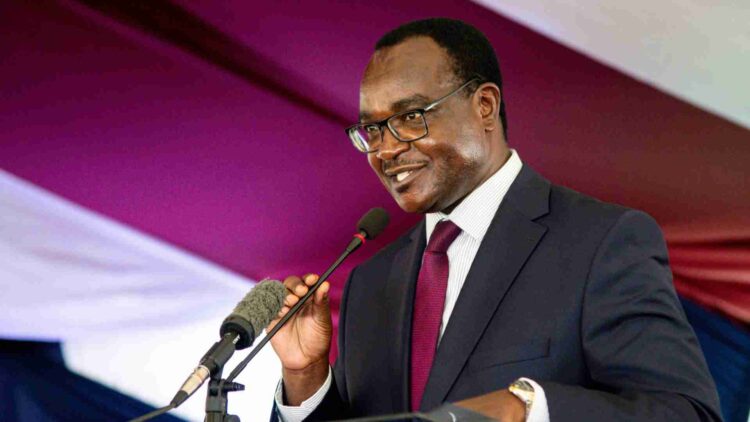
Govt U-Turn . MoE Now Says That Math Will Be Compulsory For All Senior School Students .
Related Posts
-
 Schools Set To Break For Half-Term Starting This Date Next Week As Ball Game Fever Takes Over The Playground!
-
 Teachers Urge MoE To Extend NEMIS Registration Deadline As System Glitches Threaten Salaries And Careers
-
 List Of The Latest Extra County Schools Elevated To National School Status. Check The Full List Of All National Schools In Kenya
-
 Big Change: KCSE Certificates To Be Collected From Government Offices Not School. Here’s The List Of Offices That Will Offer The Collection Services
About The Author
