
TSC Adds New Hardship Zones In The Latest 2025 Review After National Teacher’s Outcry — Full List Of New Areas And Benefits
Good News As TSC Add The Foll’ Areas To Hardship Zones After Teacher’s Outcry — See The List Of Newly Added Areas .
The Teachers Service Commission (TSC) has announced sweeping changes to hardship allowances that will significantly impact educators across Kenya. Effective July 2025, the revised classification system introduces a two-tier structure while removing benefits from several regions that have shown developmental progress.
Understanding the New Hardship Allowance Framework
After extensive consultations with the Salaries and Remuneration Commission (SRC), TSC has implemented a more nuanced approach to hardship designation:
1. Extreme Hardship Areas
These regions remain Kenya’s most challenging postings, where teachers face:
– Severe infrastructure deficits
– Limited access to basic amenities
– Security concerns
– Geographic isolation
2. Moderate Hardship Areas
Locations showing measurable improvement in:
– Road networks
– Healthcare access
– Communication infrastructure
– Security situations
Regions Losing Hardship Status
In a move that has sparked mixed reactions, these areas will no longer qualify for any hardship allowance:
- Tinderet (previously in Nandi County)
- Soin and Sigowet in Kericho
- Bunyala in Busia
- Entire Elgeyo Marakwet County
- Tharaka Nithi County
Education officials cite improved road networks, expanded electricity coverage, and enhanced security as justification for these changes.
Complete List of Designated Areas
Extreme Hardship Zones (Full Allowance)
1. Mandera County
2. Garissa County
3. Turkana County
4. Wajir County
5. Tana River County
6. Marsabit County
7. Selected divisions in Lamu
8. West Pokot County
9. Parts of Baringo County
10. Isiolo County
Moderate Hardship Areas (Reduced Allowance)
– Kwale: Kinango and Samburu wards
– Narok: West, South and Loita regions
– Samburu County
– Suba South and North (selected locations)
– Kitui: Mwingi North and South
– Makueni: Kibwezi West and East
– Kajiado: Remote border areas
– Kilifi: Ganze and Magarini
– Kisumu: Nyando and Nyakach
– Laikipia: Conflict-prone zones
– Nyandarua: Ol Kalou and Ndaragwa peripheries
Financial Implications and Teacher Welfare
The restructuring aims to achieve KES 6.5 billion in annual savings while:
– Maintaining adequate compensation for truly difficult postings
– Encouraging development in improving regions
– Creating fairer distribution of education resources
Teachers’ unions have cautiously welcomed the changes but emphasize:
“Any allowance reduction must correspond with genuine improvements in living conditions,” stated KUPPET Secretary-General.
Strategic Impact on Teacher Deployment
These changes will likely influence:
1. Staffing Patterns: More competitive postings in upgraded areas
2. Career Decisions: Teachers may reconsider remote postings
3. County Relations: Local governments may accelerate development to retain benefits
The TSC assures teachers that:
– Current postings will be honored until July 2025
– Transfers will consider the new classifications
– Appeals process available for contested designations
Historical Context of Hardship Allowances
Kenya’s hardship allowance system has evolved through three distinct phases:
1. Pre-2010: Flat rates with minimal differentiation
2. 2010-2024: 44 designated zones with uniform benefits
3. Post-2025: Tiered system reflecting actual conditions
This latest update marks the most significant overhaul in 15 years.
Preparing for the Transition
Teachers should:
1. Verify their school’s 2025 designation via TSC portal
2. Understand new allowance rates (to be published March 2025)
3. Consider professional development opportunities in preferred regions
County education boards are mandated to:
– Conduct awareness campaigns
– Assist with transfer requests
– Monitor implementation challenges
Conclusion: Balancing Development and Teacher Welfare
While the revised hardship allowances recognize Kenya’s progressing regions, they also present adjustment challenges for affected educators. The success of this policy will depend on:
– Transparent communication from TSC
– Genuine improvement in delisted areas
– Continued support for teachers in truly difficult postings
As July 2025 approaches, all education stakeholders must collaborate to ensure a smooth transition that ultimately benefits both teachers and students nationwide.
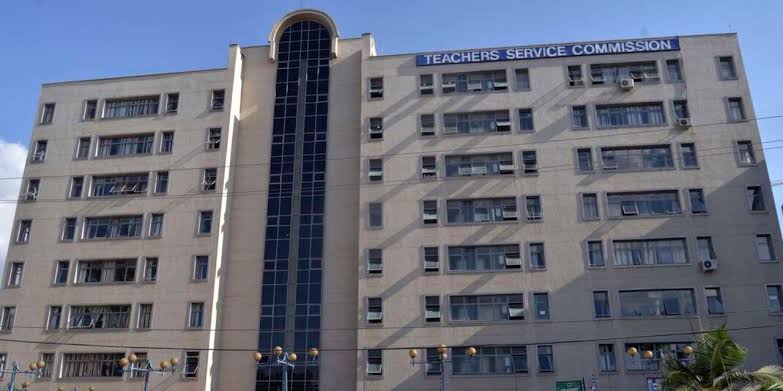
Good News As TSC Add The Foll’ Areas To Hardship Zones After Teacher’s Outcry — See The List Of Newly Added Areas .
Related Posts
-
 TSC Releases 2025 Promotion Letters For C3 To C4 Teachers – See New Salary Scale And Benefits Breakdown
-
 TSC Reveals County Breakdown Of 1,864 Promotion Slots: Full List Of Benefiting Regions And Teacher Categories
-
 TSC Unveils Fresh List Of Mandatory Documents For Teachers Attending 2025 Promotion Interviews – Full Requirements List Explained
-
 Latest Official TSC Updates On Teachers Promotions And Employment Of Teachers 2025 TSC Updates On Promotions And Employment Of Teachers 2025
About The Author
