
Blow To Primary School Headteachers As TSC Confirms No D1 Promotions For Them Despite Their Demand – What This Means For Teachers
Primary Headteachers To Remain In C5 As TSC Rules Out D1 Promotion.
Kenya’s education sector faces yet another contentious issue as the Teachers Service Commission (TSC) confirms primary school headteachers will remain in job group C5 despite their additional responsibilities managing Junior Secondary Schools (JSS). This decision, coming after months of heated debate, highlights the complex challenges of implementing the Competency-Based Curriculum (CBC) reforms while managing teacher welfare and government budgets.
The Heart of the Matter: Expanded Roles Without Compensation
Since the rollout of JSS in 2023, primary school headteachers have taken on dual roles—overseeing both primary sections and junior secondary streams (Grades 7, 8, and 9). This expansion of duties led to demands for promotions from C5 to D1, aligning their status with secondary school principals who manage similar student levels.
Read Also:List Of Achievements And Failures Of Former TSC Boss Nancy’s Macharia’s 10 Years Tenure
However, TSC and Education Cabinet Secretary Julius Ogamba have firmly ruled out such promotions, citing budget constraints and existing Collective Bargaining Agreements (CBAs) . The government’s stance has sparked frustration among headteachers, who argue that their workload has significantly increased without corresponding salary adjustments.
Why TSC Says Promotions Are Not Feasible
1. CBA Limitations: The current 2021-2025 CBA does not include provisions for automatic promotions due to JSS roles.
2. Financial Constraints: The government claims it lacks funds to upgrade thousands of headteachers to D1.
3. Structural Differences: TSC maintains that primary headteachers’ roles, even with JSS, differ from traditional secondary principals.
Headteachers’ Grievances: A Growing Discontent
The Kenya Primary School Headteachers Association (KEPSHA) has been vocal in its demands, emphasizing:
– Increased administrative burden managing two school sections
– Lack of compensation for two years of additional work
– Disparity between their roles and secondary principals who earn higher salaries
Former KEPSHA chairman, the late Johnson Nzioka, lamented:
“For the last two years, we were assigned additional responsibility to head JSS. However, the government did not factor that in salary enhancement.”
Government’s Counterarguments: Prioritizing Recruitment Over Promotions
CS Ogamba defended TSC’s position, stating that the government’s immediate priority is addressing teacher shortages rather than promotions. Key points from his Senate briefing include:
– 343,485 registered teachers remain unemployed despite staffing gaps.
– 94,300 interns have been engaged since 2019 to fill shortages.
– Budgetary limitations prevent mass promotions while recruitment continues.
What’s Next for Headteachers?
The only remaining avenue for salary adjustments appears to be the next CBA (2025-2029), where unions could negotiate the issue. However, with fiscal constraints persisting, there’s no guarantee of favorable outcomes.
Broader Implications for Kenya’s Education System
1. Teacher Morale at Risk – Stagnant promotions could demotivate school leaders.
2. JSS Implementation Challenges – Overworked headteachers may struggle with CBC demands.
3. Union vs. Government Tensions – KEPSHA and KNUT may intensify pressure for better terms.
Final Thoughts: A Balancing Act for TSC
While the government emphasizes fiscal responsibility, the growing discontent among headteachers raises concerns about long-term education leadership stability. With JSS still in its early stages, resolving this standoff will be crucial for Kenya’s education reforms.
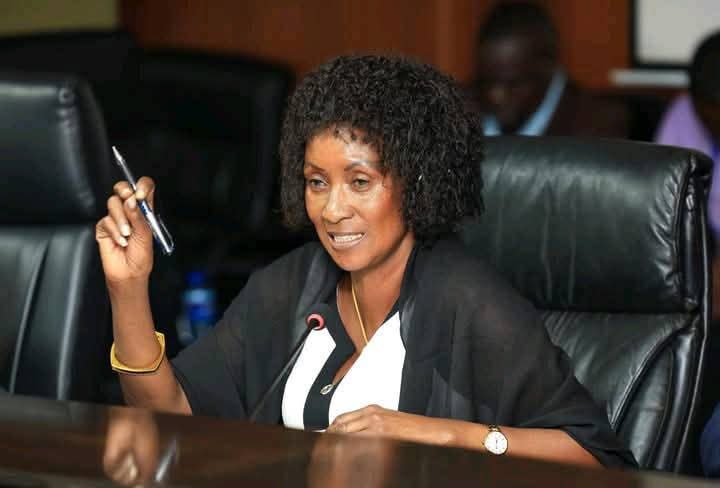
Primary Headteachers To Remain In C5 As TSC Rules Out D1 Promotion.
Related Posts
-
 KNUT Demands 60% Salary Increase For All Teachers In New CBA Proposal: Full Breakdown, Salary Increment Table, And What It Means For Teachers
-
 TSC’s Latest 2025 Automatic Promotion Of Teachers From Job Group B5 To C2. Here’s What Teachers Needs To Know
-
 CBA Showdown: TSC And Teachers’ Unions In High-Stakes Friday Meeting Over Proposed 100% Salary Increase After SRC Negotiations
-
 Big Changes In TPAD Lesson Observation For Teachers As TSC Orders Them To Take Immediate Action
About The Author
